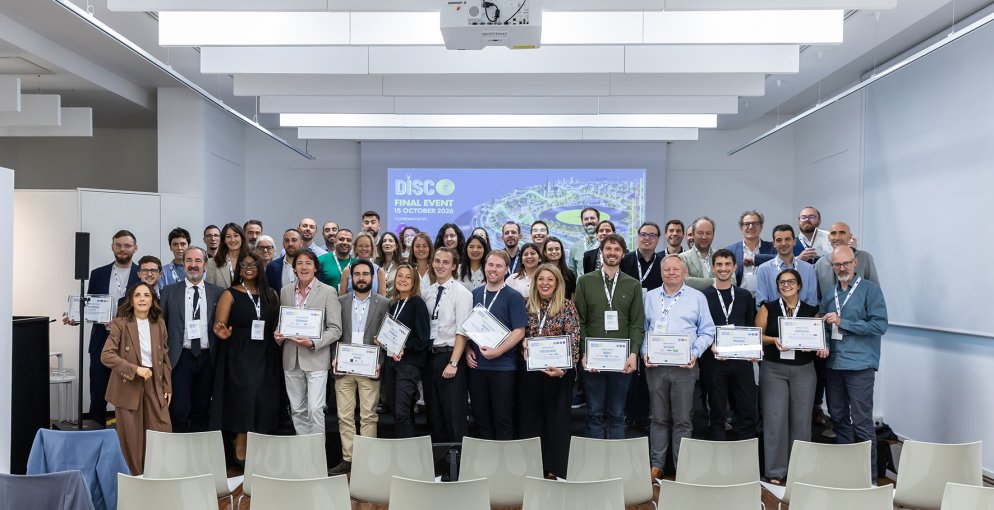
- European consortium validates 23 innovative solutions across 12 regions to optimise public space and data-driven goods distribution
- Valencia’s Living Lab demonstrates the value of adaptive infrastructure, achieving a 42 per cent increase in efficiency in the management of donations following the DANA
Valencia, 27 October 2026.-Fundación Valenciaport has concluded its participation in DISCO, a European project funded by the Horizon Europe programme which, over more than three years, has driven the digital transformation of urban logistics and the optimisation of space in cities.
With a budget of around 8 million euros in European funding, the consortium – comprising 47 organisations – has developed and validated 23 innovative solutions. The project has been rolled out across a total of 12 cities and regions: Valencia, Barcelona, Zaragoza, Copenhagen, Ghent, Thessaloniki, Helsinki, Padua, Prague, Piacenza, Aarhus and the North Hesse region. The main objective has been to promote a more efficient, collaborative and data-driven model for urban freight distribution.
Agile responses to disasters: the case of Valencia
In this context, the Valenciaport Foundation’s contribution has been particularly linked to the development of the Valencia Living Lab, where it has been demonstrated how flexible logistics infrastructure and digital tools can contribute both to improving urban distribution and to responding effectively to exceptional disaster situations such as those experienced in the province of Valencia following the DANA in October 2024.
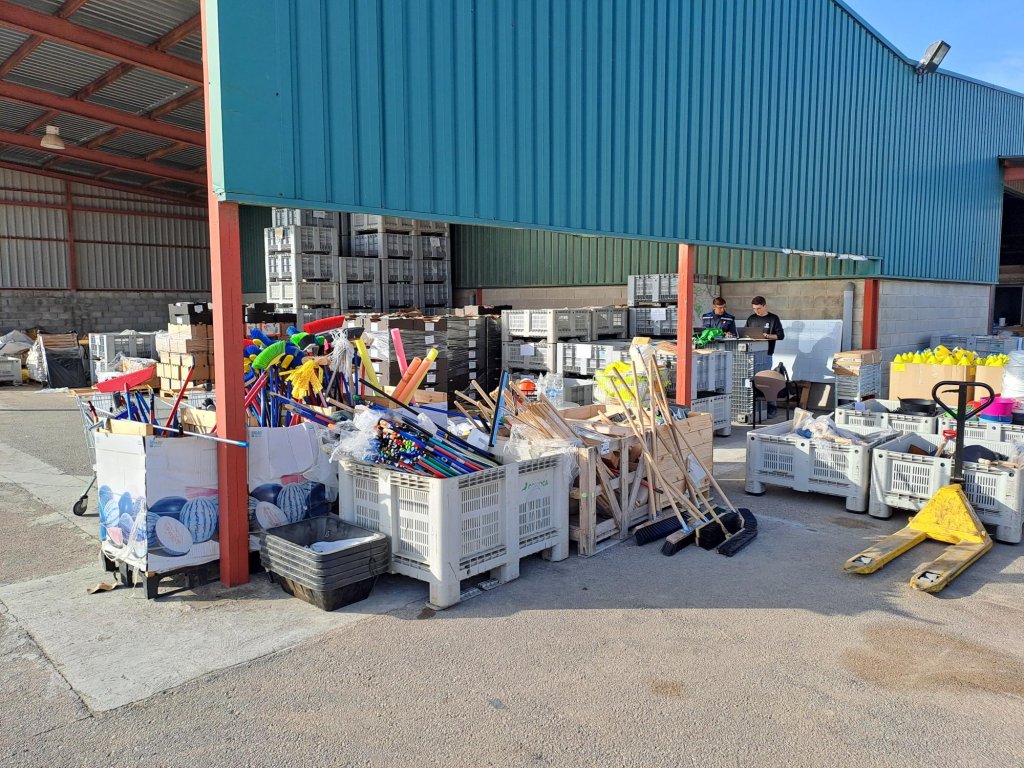
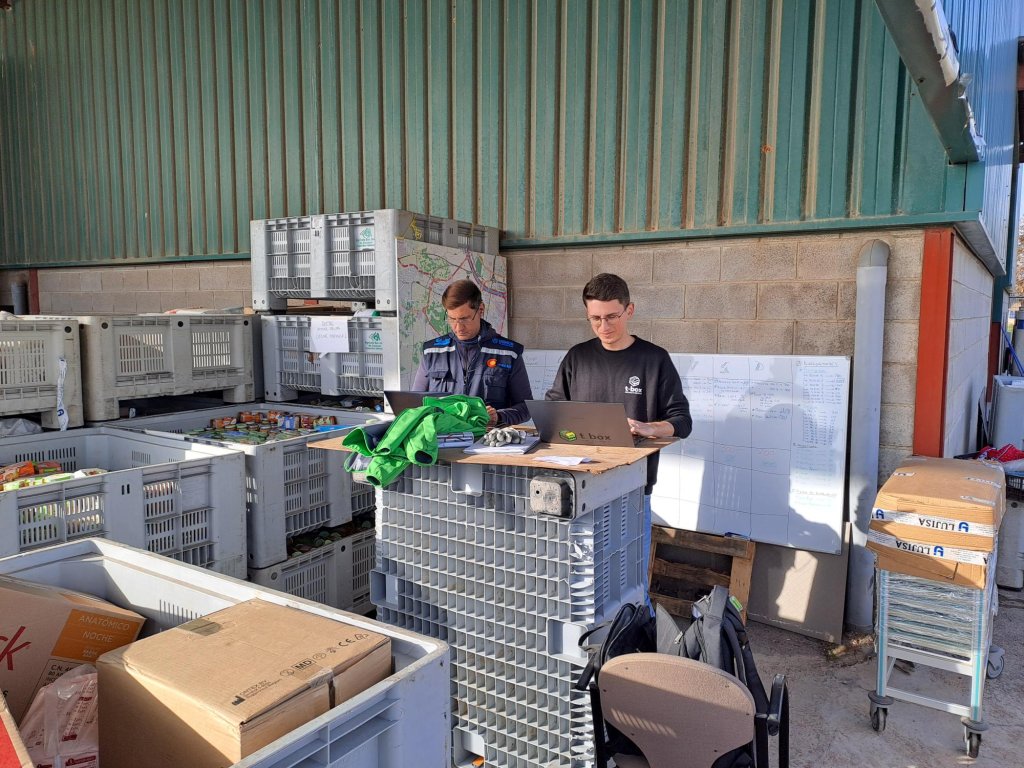
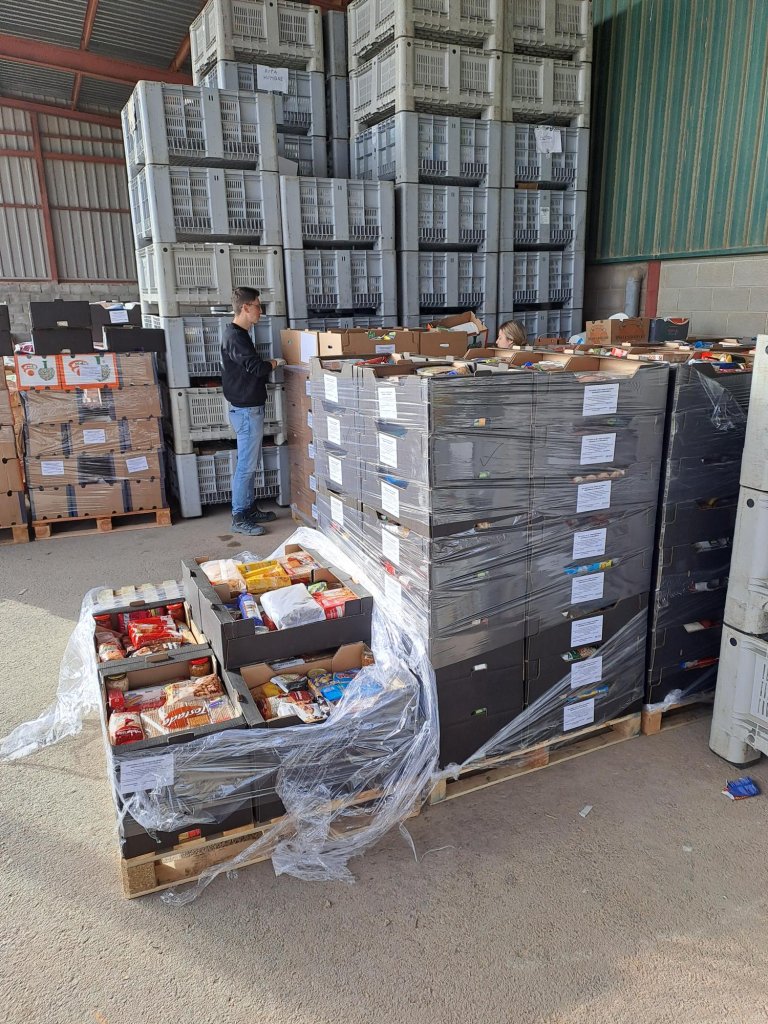
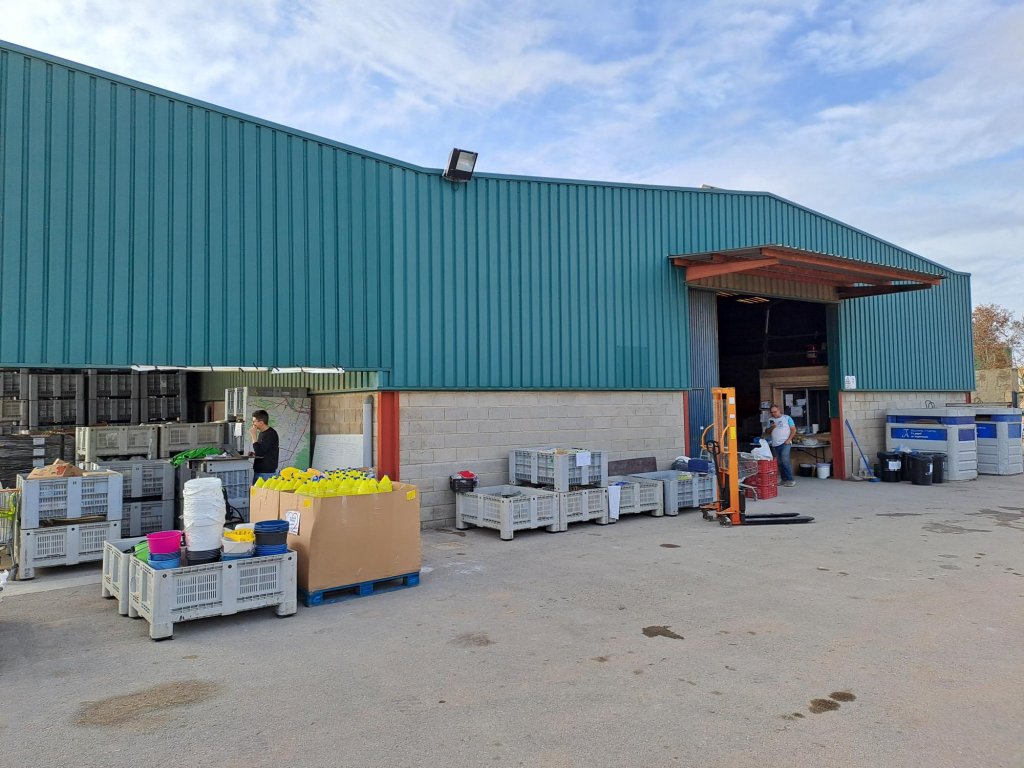
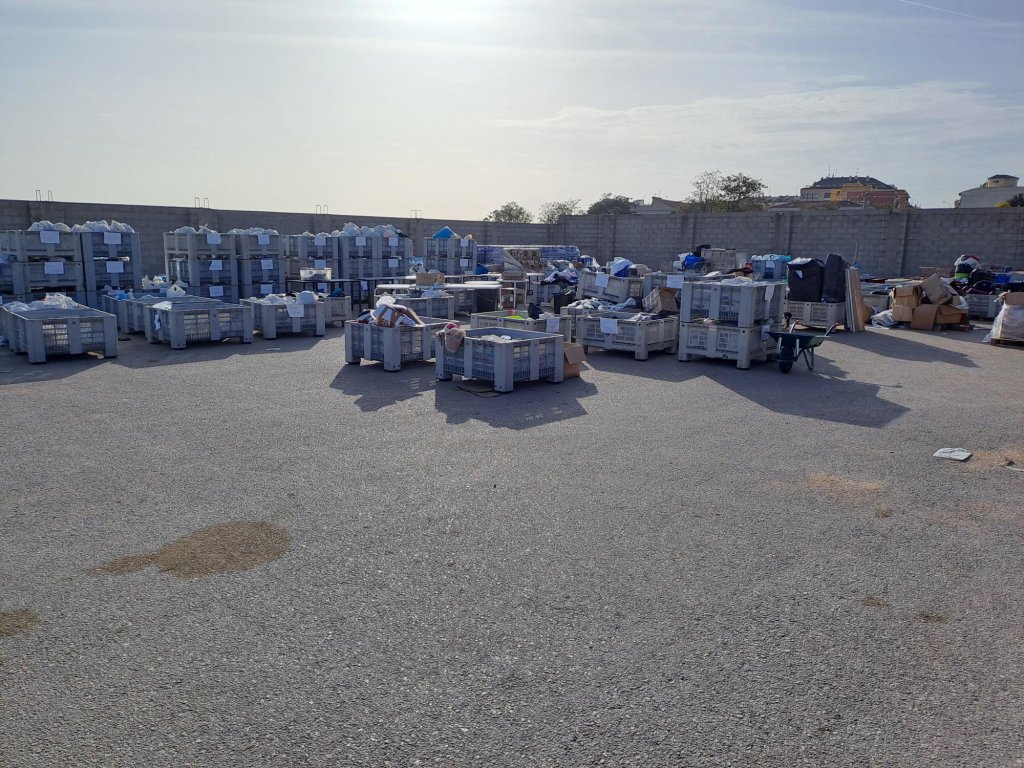
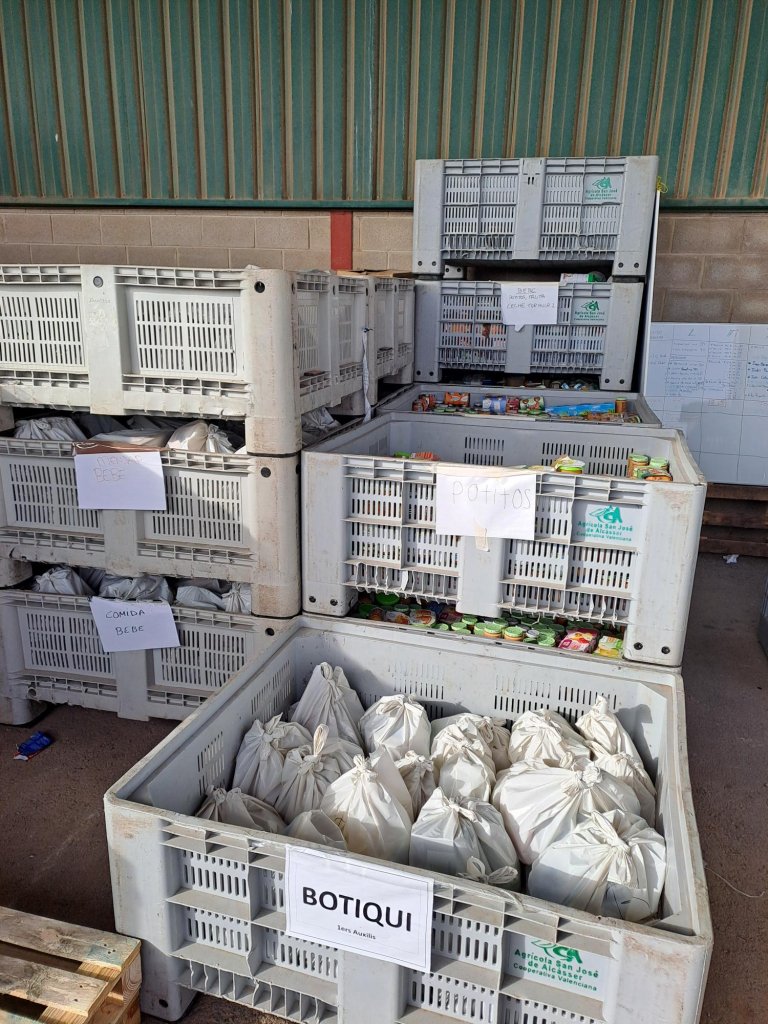
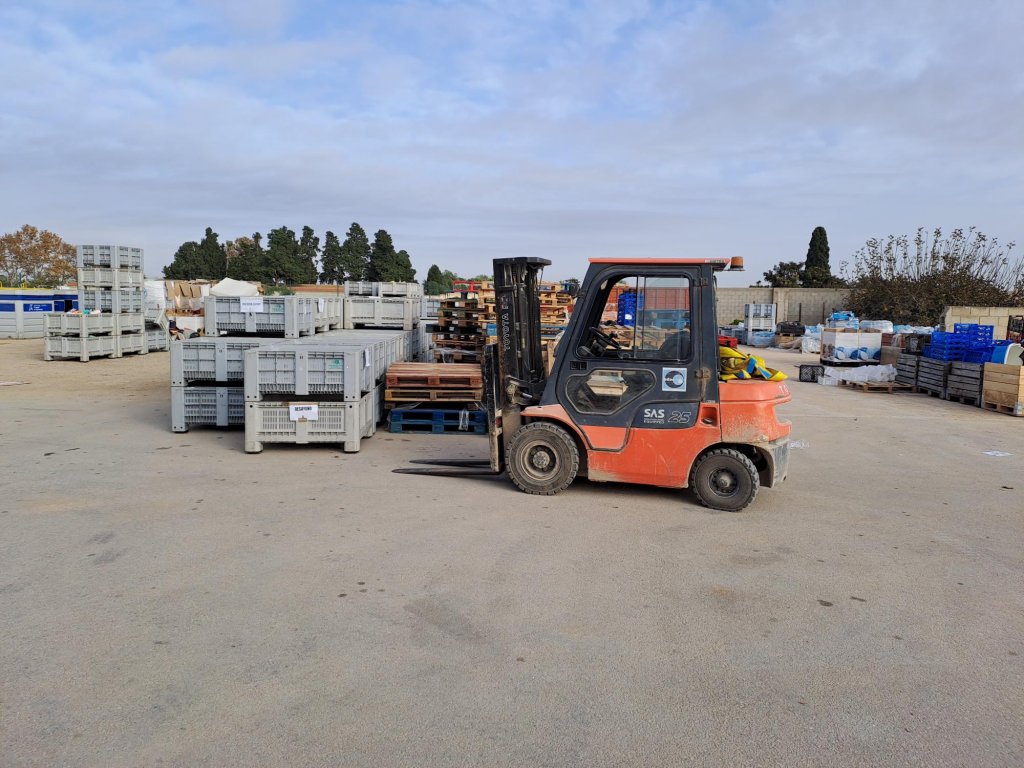
As part of this strategic initiative, a disused warehouse in the municipality of Alcàsser was rapidly converted into a temporary logistics centre. This hub was used for the reception, sorting and coordinated distribution of donations to the affected municipalities.
A 42 per cent increase in crisis management efficiency
The results from the Valencian Living Lab demonstrated the true value of logistical resilience. The Alcàsser hub achieved a service capacity 42 per cent higher than that of three other comparable facilities operating during the emergency. This milestone confirms that the combination of adaptive infrastructure, digitalisation and flexible protocols makes all the difference in the management of humanitarian and regional crises.
Conclusions for the cities of the future
The experience enabled key conclusions to be drawn for the future of urban logistics. Firstly, the need to view infrastructure as multifunctional assets that cater for both day-to-day operations and emergency situations, by identifying in advance suitable spaces to serve as temporary hubs. Secondly, the importance of digital coordination to swiftly match the population’s needs with available resources. And, finally, the central role of resilience in the design of future urban logistics systems.